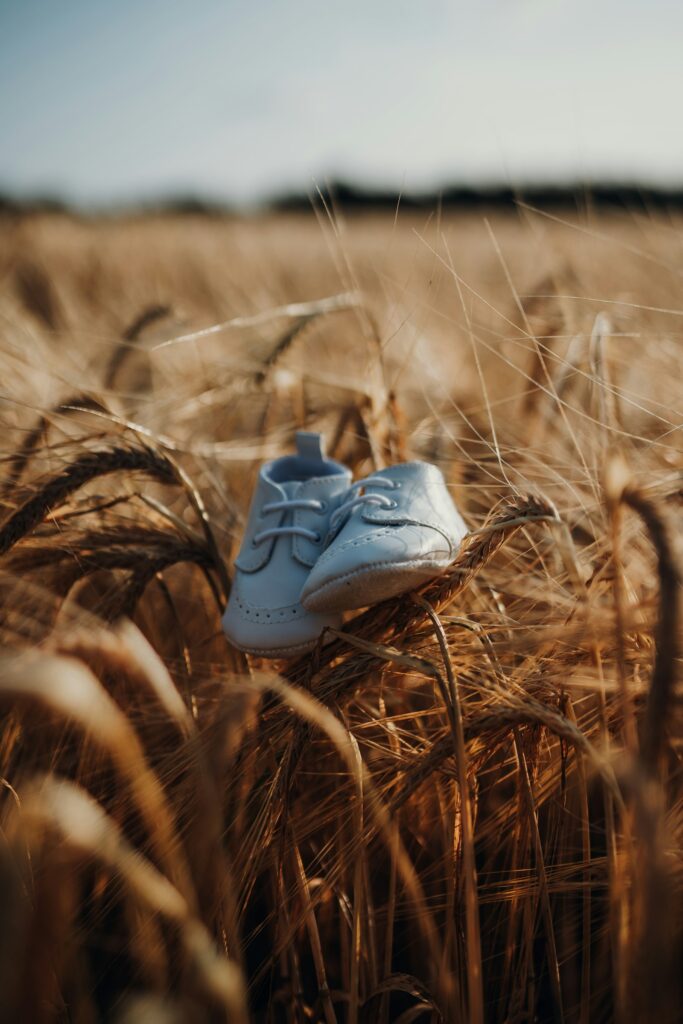
Baby shoes are often bought because they are charming, but very young babies do not need structured footwear to learn to stand or walk. Before a child is walking outdoors, warm socks or soft booties may be enough to keep feet comfortable. Indoors, safe bare feet can let a baby feel the floor as they move, provided the space is clean and safe. When a child begins walking outside, shoes are mainly protection from rough, cold or uneven surfaces. The best choice depends on development, fit and where the shoes will be worn.
Fit matters more than fashion. Measure both feet while your child is standing, if they can stand, and use the larger measurement. Ask a knowledgeable fitter for help when available, because foot shape and shoe construction vary. There should be comfortable room at the toes, a secure fastening and no pressure points. A shoe that is much too large can slip, while one that is too small may restrict movement. Check the fit regularly because children’s feet grow quickly, and replace shoes when toes reach the end, the upper presses or the sole becomes damaged.
Choose a flexible sole that bends where the foot naturally bends, with a secure heel and materials that allow comfort in the intended weather. The shoe should stay on without being painfully tight. Avoid relying on age labels or a single size number across brands; use the maker’s size guide and your child’s measurements. New shoes should not need to be “broken in” through discomfort. If your child resists walking in them or develops marks that remain after removing them, reassess the fit.
For babies who are not walking, decorative shoes may be worn briefly for an occasion, but check that they do not rub, overheat or restrict movement. Remove them when they are no longer comfortable. Keep small accessories and detachable parts away from infants, and inspect footwear for loose decoration before each use. Care for shoes according to the manufacturer’s instructions and let wet shoes dry fully before wearing them again.
A useful approach is to buy footwear when there is a clear need, try it on with the socks your child will wear and check the fit at the end of the day when feet may be larger. Keep the receipt and ask about the retailer’s exchange policy. Shoes are only one part of healthy movement, and they cannot correct a medical or developmental concern. Speak with a health professional if you have questions about your child’s feet or gait. Comfort, safe movement and the right fit are better guides than a miniature adult style.
For second-hand shoes, inspect the sole, heel and fastening carefully and make sure the shape still suits your child’s foot. Heavily worn footwear may have moulded to another wearer’s movement, so a new pair can be a better choice when the fit is uncertain. Clean shoes using the maker’s guidance and allow them to dry before storage. Ask the retailer what the size chart means and whether exchanges are available. A clear return route is useful because children rarely keep the same shoe size for long.