A newborn wardrobe does not need to be large. In the first weeks, babies spend much of their time resting, feeding and being held, so a small group of comfortable, washable layers is more useful than a drawer full of special outfits. Start with everyday basics that can be mixed easily. Bodysuits, sleepsuits, soft trousers, cardigans and a few pairs of socks cover many ordinary days. Choose pieces that open simply at the front or legs, because quick changes are part of life with a newborn.
Before buying, think about the climate in your home and the season your baby will arrive. A warm house may call for lighter layers than you expect, while a cool room may make a cardigan or blanket useful. Babies cannot regulate temperature in the same way adults do, so check your baby regularly and follow NHS safer-sleep advice. For sleep, avoid overdressing and keep loose bedding out of the cot. Clothing is only one part of keeping a baby comfortable; room temperature and safe sleep practice matter too.
Look for practical details. Smooth seams, covered fastenings and openings that make nappy changes easier can save time. Check labels for washing instructions and care for garments as directed. If you prefer natural fibres, read the fibre composition on each item rather than relying on a broad marketing phrase. “Soft” is a feeling, not a standard, and fabric preferences differ between families. Wash new clothes before the first wear using a detergent suitable for your household, and make sure garments are rinsed well.
Sizing is not perfectly consistent between brands. One label marked newborn may fit differently from another, and a baby’s length and build matter as much as age. Compare the garment’s size guide with your baby’s measurements when available. If you are shopping before birth, avoid purchasing a large quantity in the smallest size. Babies grow at different rates, and a few well-fitting essentials give you room to learn what works. Keep receipts and check the shop’s returns terms before removing tags or washing an item.
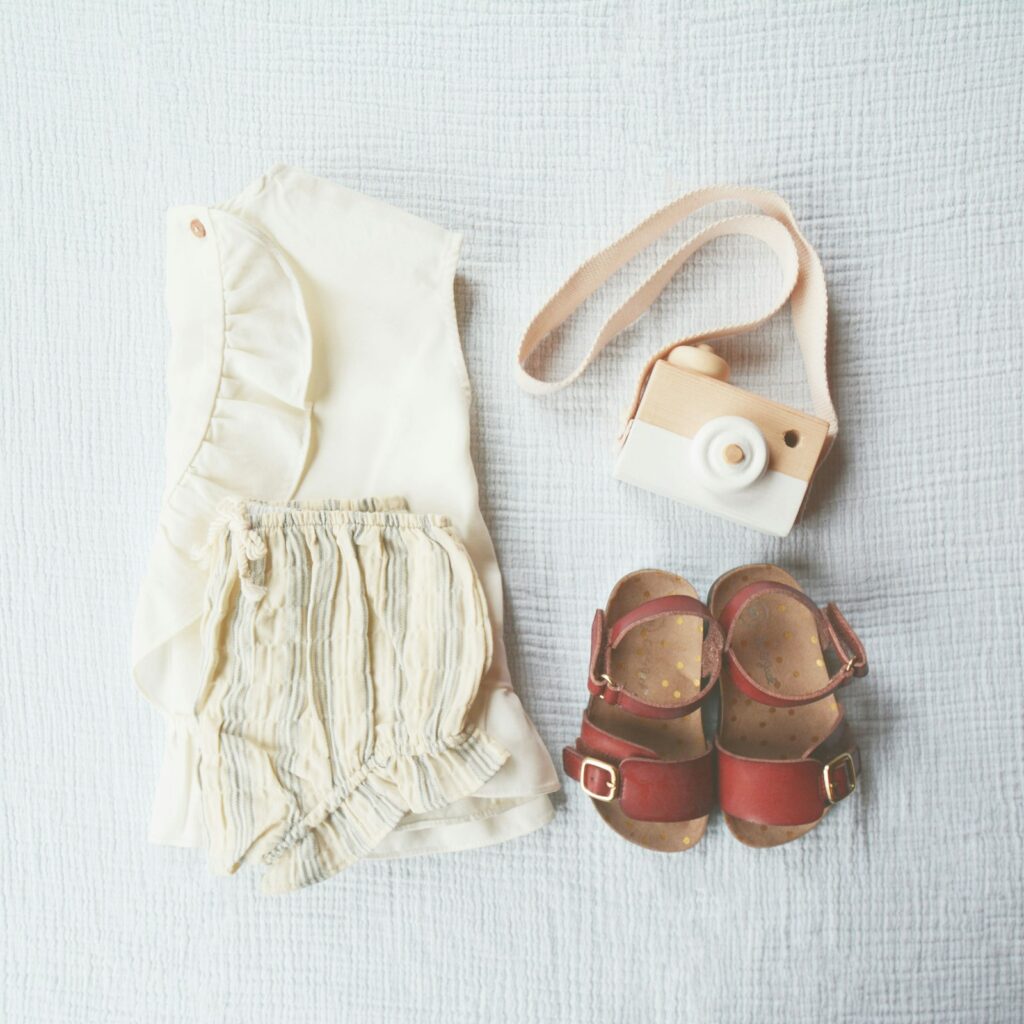
A simple checklist can help you avoid duplicate purchases: several bodysuits, a few sleepsuits, a warm or light layer suited to the season, socks, and one or two outfits for going out. Add more only after you see which shapes and fabrics suit your routine. Ask family members to check with you before buying multiples. The best first wardrobe is the one that makes changing, washing and dressing feel manageable. Comfort, fit and safe use matter more than having every item in every colour.
For presents, a short list of useful sizes and colours can prevent a pile of items that are lovely but rarely worn. Think about how often your household can do laundry, whether you will be out in the rain, and which fastenings feel easiest during a night-time change. A garment does not need to be expensive to be useful, and a higher price is not proof of a better fit. Choose pieces that suit the family’s routine, then add special-occasion clothing only when it will be enjoyed.