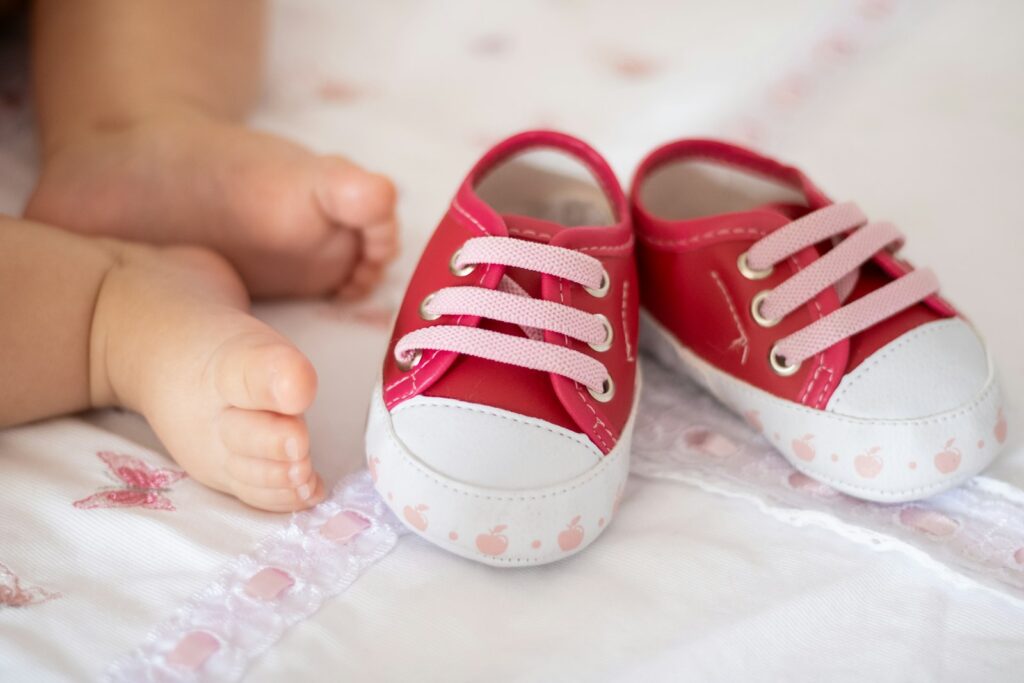
Baby clothing labels can be confusing because “newborn,” “0–3 months” and numbered sizes are not identical across every brand. Age is only a rough guide. Babies arrive at different lengths and weights, and they grow at different speeds, so the label alone cannot promise a perfect fit. A calm approach is to use the brand’s own size chart, compare it with your baby’s current measurements when possible, and leave room for movement without buying so large that fabric bunches or openings become awkward.
Length is often especially useful for sleepsuits and one-piece outfits. Chest and waist measurements can help with tops and trousers, while the garment’s cut affects whether it feels snug or roomy. If a size chart lists only age ranges, check the product notes or ask the retailer for garment measurements. Do not compare two brands by assuming their “3–6 months” labels mean the same thing. A size guide is more useful when it identifies the measurements used and how to take them.
For a baby who has not arrived yet, shop gradually. A few small essentials are usually enough to begin, with a small number of the next size ready if you expect to need it. Avoid building a large wardrobe around one estimated birth weight. Gifts, laundry frequency and the season can all change what is practical. Keeping receipts and leaving tags attached until you are confident about fit makes it easier to exchange items where the seller’s terms allow.
When a garment arrives, check how it sits at the shoulders, neck, waist and legs. It should allow comfortable movement and should not pull tightly across the body. Fastenings should close without strain. Sleeves and legs that cover the hands or feet may be inconvenient, while oversized garments can twist or bunch. For sleep, use garments designed for sleep and follow current NHS safe-sleep guidance. Avoid making clothing decisions based on a single thermometer reading; consider the room, layers and your baby’s condition, and seek health advice if you are unsure.
Sizing changes quickly during the first year, but there is no need to replace everything at once. Recheck fit after washing because some fabrics may shrink or change shape when cared for incorrectly. Follow each label’s instructions. If you are between sizes, consider the garment type, season and intended use rather than automatically choosing the larger option. A well-fitting wardrobe is built by observing what works, checking measurements and buying only what your family needs.
Online photographs are useful for seeing a garment’s shape, but they cannot show exactly how a fabric feels or how a fit will suit your baby. Check the product description for the garment type, fabric, closures and washing instructions. If measurements are not listed, contact the retailer before ordering when fit is especially important. When clothing arrives, inspect it promptly and keep the packaging until you have decided whether it works. Planning for a quick size exchange can be more helpful than guessing based only on a birthday or age range.